Car signalisation plays a crucial role in road safety, driver communication, and vehicle visibility, ensuring seamless coordination between motorists in various driving environments.
Car signalisation represents one of the most essential communication systems integrated into vehicles, acting as a universal language that enhances safety, communication, and visibility on roads worldwide. These systems are meticulously designed to deliver clear and consistent messages that inform surrounding drivers about acceleration, braking, turning, reversing, and emergency conditions. By incorporating high-contrast illumination formats and standardized signal patterns, car signalisation ensures that all road users—from compact cars to heavy commercial vehicles—can interpret vehicle movements instantly and accurately. This predictability significantly reduces collision risks and contributes to overall traffic efficiency.
Cheque,Demand Draft,NEFT , RTGS
Key Attributes
Signal TypeIntegrated system supporting turn indicators, brake lights, tail lights, and hazard signals.
Light SourceHigh-intensity LED modules designed for uniform illumination and long operational life.
Operating VoltageStandard automotive electrical input compatible with 12V and 24V systems.
Power ConsumptionLow-energy circuitry optimized for efficient power usage across all signal functions.
Illumination PatternConsistent lighting output featuring regulated brightness for enhanced visibility.
Response TimeInstant signal activation enabled through fast-trigger LED technology.
Casing MaterialRugged enclosure developed with impact-resistant polymer housing.
Protection RatingWeather-proof structure compliant with IP-rated protection for dust and moisture resistance.
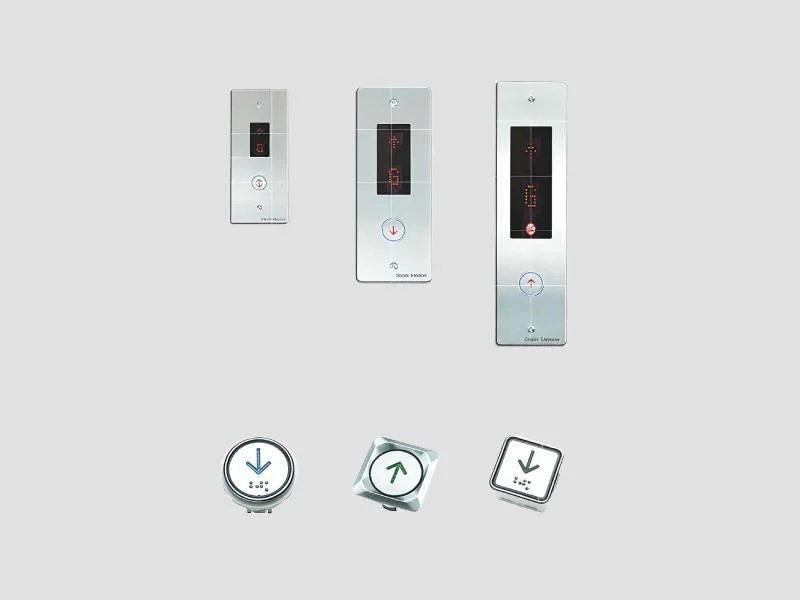
Landing signalisation plays a crucial role in ensuring safe aircraft operations by providing structured guidance, visual indicators, and signal control across various landing environments.
Landing signalisation is an essential safety mechanism that supports aircraft navigation by offering structured visual indicators, precise guidance, and reliable signal control throughout the landing process. Designed with illumination intensity, color uniformity, and visibility range attributes, the system delivers clear and consistent lighting cues under all operating conditions. Pilots rely on these indicators to maintain proper alignment during descent, final approach, and touchdown. The equipment incorporates weather resistance, material durability, and vibration stability to withstand harsh environmental influences, ensuring uninterrupted performance during rain, fog, or extreme temperatures. With modular configuration and rapid deployment capabilities, airports can install, expand, or reconfigure the system to suit changing runway specifications and aviation requirements.
Cash,Cheque,Demand Draft,NEFT , RTGS
Key Attributes
MaterialHigh-grade aluminum housing
Light SourceLED-based illumination system
Color OptionsStandard aviation-approved color outputs
Visibility RangeLong-range optical projection
Beam AnglePrecision-aligned beam distribution
Operating VoltageWide-range aviation-compatible voltage